DofE Program — Dunkirk Special
Week 2 — Operation Dynamo
Nine days, thousands of civilians, and a race to bring an army home.
Please log in if you want to save your progress against your profile. Otherwise you can still play, but your results will not be logged.
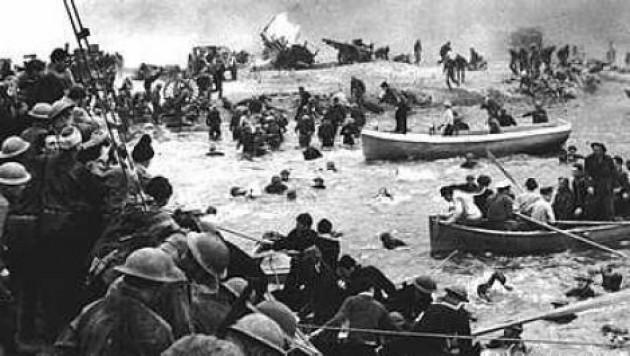
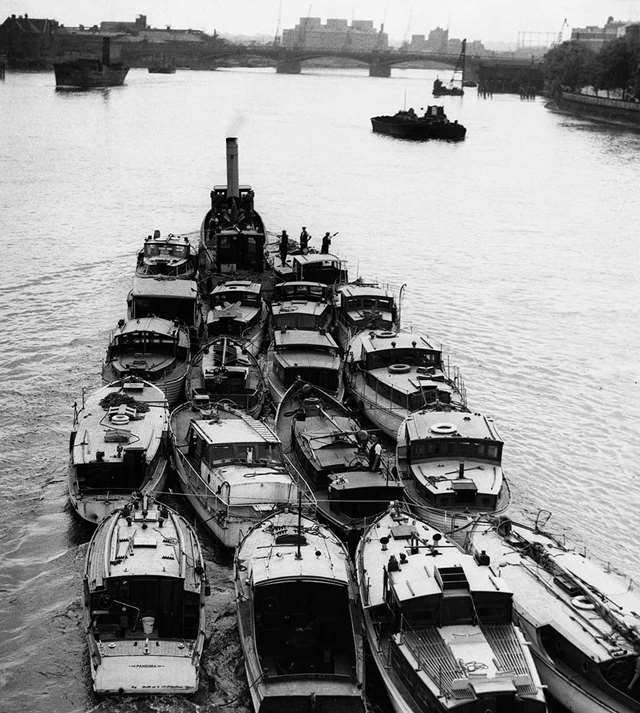
The Royal Navy organised the effort, but shallow sands made warships risky. Hundreds of civilian craft — fishing boats, pleasure yachts, lifeboats, paddle steamers — surged across the Channel to help. These “Little Ships” threaded smoke, tides, and gunfire to ferry soldiers from surf to destroyer, returning night after night.
Over nine tense days, more than 338,000 troops were rescued. Equipment was lost, but morale was saved. Dynamo proved that discipline, clear signals, and community courage could rewrite the odds. Each skipper relied on good charts, steady helms, and the confidence to keep moving when chaos tried to close the route home.
Stories from the Beaches
The Mole That Became a Lifeline
The stone jetty at Dunkirk harbour — the Mole — was never designed for mass embarkation. Yet naval officers used it as a makeshift pier, lining small craft and destroyers along its side. Thousands boarded there nightly, the planks trembling under constant air raids.
Lifeboats under Air Attack
Royal National Lifeboat Institution crews volunteered their boats and skills. Used to storms, they now faced machine-gun fire and bombing runs. Their calm approaches rescued groups stranded in the shallows when larger vessels dared not venture close.
The Signal “Every Hour Counts”
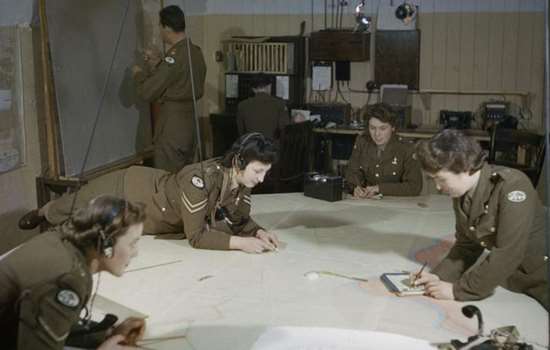
Flag hoists, lamps, and shouted orders kept columns moving. Patrol craft relayed tight, simple messages: keep station, keep smoke burning, keep loading. That rhythm turned chaos into a queue, and the queue into salvation.
Fishing Crews Steer for Home
Fishermen from Britain’s east and south coasts brought diesel engines, tidal knowledge, and nerve. Used to narrow harbours and sandbanks, they piloted unfamiliar soldiers through shoals and back to the open Channel again and again.
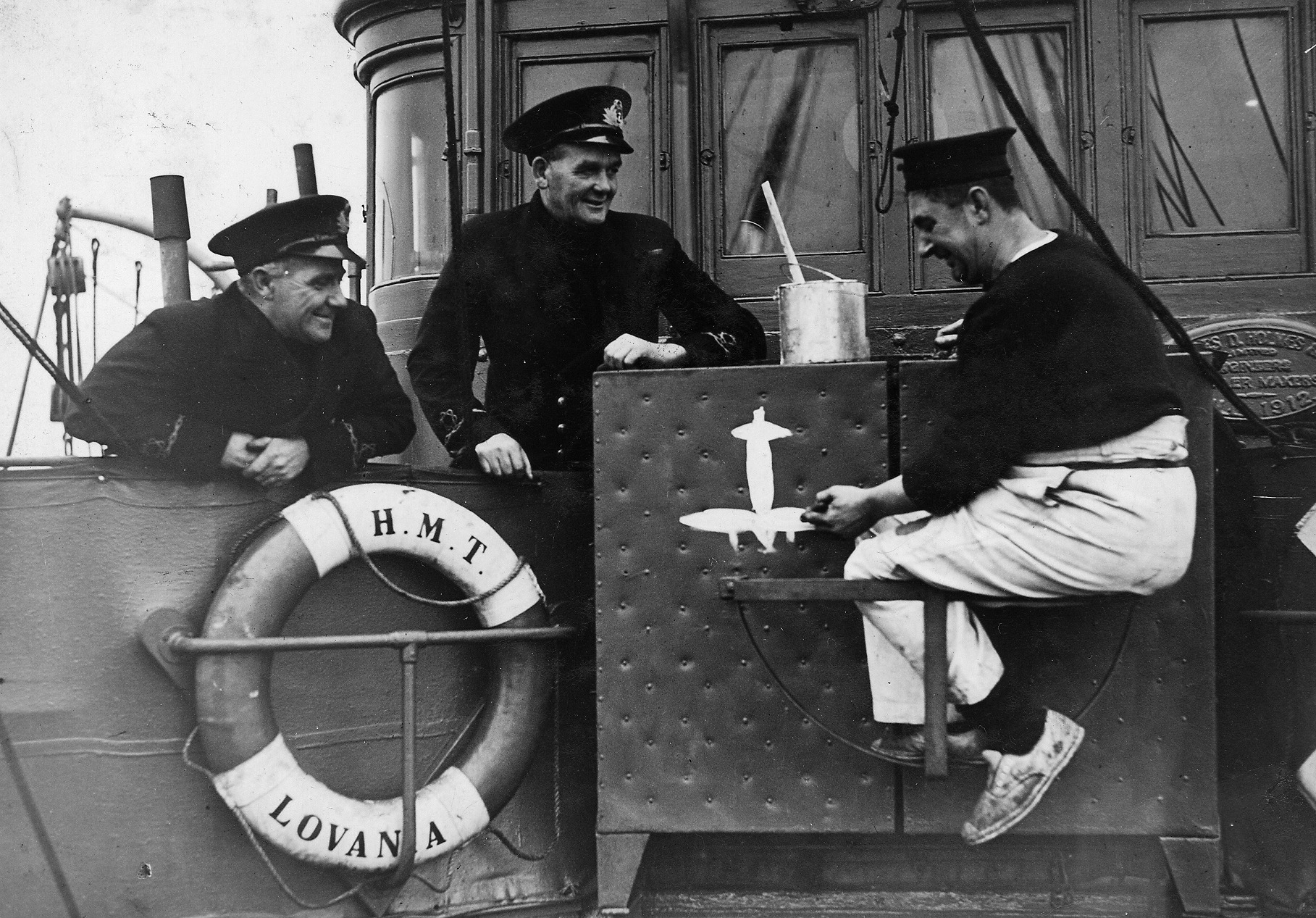
This newsreel recounts the journey from Dunkirk’s beaches to British ports. Look for the mix of ships: destroyers lining the Mole, tugs and lifeboats in the surf, and columns of little ships returning through smokescreens.
Note: This video is a dramatisation, an AI recreation, and a historical interpretation, created for the Youth Programme for educational purposes.
THIS WEEK’S FOCUS
Beach approaches: using lead lines, local knowledge, and marks to avoid grounding.
Embarkation order: prioritising wounded, organising queues, and loading small craft safely.
DIRECTOR’S NOTE
“Dynamo shows how ordinary crews met an extraordinary call. Learn the signals, trust your charts, and every small ship becomes a life-saving link.”
DofE Program map
Track the sequence of DofE Program activities. Weeks with published content link straight to their Chronicle page so you can jump in and log your progress.
| Week | Topic |
|---|---|
| 1 | Royal Navy Patrol Service – “Harry Tate’s Navy” |
| 2 | Operation Dynamo – Dunkirk lift |
| 3 | Communication and signals at sea |
| 4 | Parts of a ship – inside and outside |
Log in to view weeks 5–16.